Podium and poster presentations from RRH Nursing Research and Evidence-Based Practice Day.
Held on November 14, 2025.
-
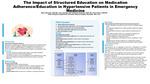
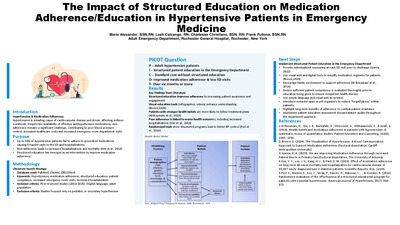
The Impact of Structured Education on Medication Adherence/Education in Hypertensive Patients in Emergency Medicine
Marie Alexander, Leah Calcango, Charlessa Christiano, and Frank Fullone
-
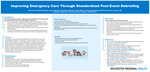
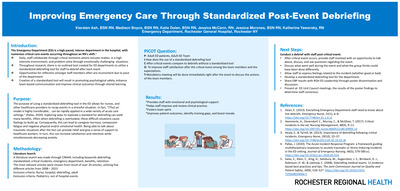
Improving Emergency Care Through Standardized Post Event Debriefing
Kiersten Ash, Madison Boyce, Katie Dolan, Jessica McCann, Jessica Morones, and Katherine Yaworsky
-
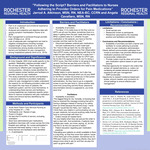
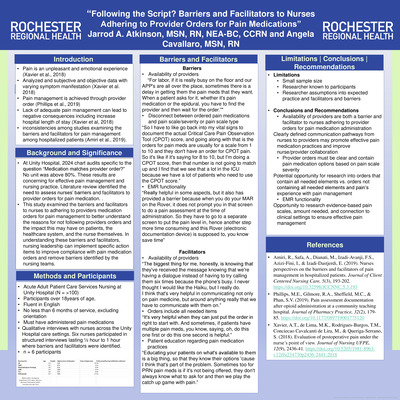
Following the Script? Barriers and Facilitators to Nursing Adhering to Provider Orders for Pain Medication
Jarrod A. Atkinson and Angela Cavallaro
-
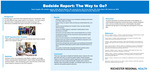
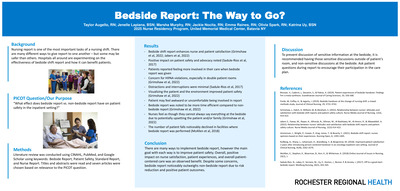
Bedside Report: The Way to Go?
Taylor Augello, Jenelle Lapiana, Marsha Murphy, Jackie Nocita, Emma Raines, Olivia Spark, and Katrina Uy
-
Necessity of Routine Type and Screen for Elective Pre-operative Hip and Knee Arthroplasty Surgical Patients
Lynn Ayers and Abigail Balschmiter
In this post pandemic period, nurses are focused on improving patient care and streamlining their delivery of care processes to prevent redundancies and optimize the use of limited resources to meet daily patient care goals. They increasingly rely on evidence based practices to inform their care decisions. In surgical services, nurses found that there is insufficient evidence to support the routine performance of pre-operative type and screen (T&S) testing for patients undergoing Total Hip Arthroplasty (THA) or Total Knee Arthroplasty (TKA). Consequently, we proposed conducting a retrospective chart review on all elective THA and TKA cases from January 1, 2024 through December 31, 2024.
How many patients underwent THA and TKA at Clifton Springs Hospital and did not require blood transfusions during or after their surgical procedure, regardless of their Hemoglobin (Hgb) levels? Additionally, routine blood draws can diminish patient satisfaction and add financial burdens to both patients and healthcare facilities. According to Lisa Dorrell from Revenue Integrity at Rochester Regional Health, the estimated cost associated with T&S blood draws are as follows: Collection of venous blood through venipuncture - $30.94, ABO blood typing - $337.05, RH(D) typing - $337.05, antibody screen - $337.05, for a total of $1042.09 per T&S blood draw per patient.
Due to the aging population, and the increased safety of these surgical procedures, there is a higher volume of patients having joint surgeries, leading to an increase in pre-operative testing. Each patient scheduled for surgery must have preoperative blood tests drawn within 30 days of their procedure date. Furthermore, a T&S must be completed within 14 days prior to surgery. If a type and screen was done 30 days earlier, the provider might require a new T&S to be drawn, effectively doubling the cost for the patient.
Surgeons are encouraged to follow the Maximum Surgical Blood Ordering Schedule² (MSBOS), which specifies the number of units of blood needed to meet the needs of 90% of patients undergoing a specific surgical procedure. The Rochester Regional Health (RRH) MSBOS Consensus (2018), adhered to by RRH surgeons, recommends T&S testing for all elective pre-operative THA and TKA patients, which is commonly ordered during pre-operative testing before surgery. According to the RRH Blood Products Policy & Procedure¹, stable, asymptomatic non-bleeding patients do not generally benefit from red blood cell transfusions when their hemoglobin is greater than 7g/dL. Acute cardiac patients may require transfusions when hemoglobin is below 8g/dL, while patients with hemoglobin levels above 9g/dl rarely need transfusions.
Is it feasible to eliminate the routine T&S of our preoperative THA and TKA patients and instead adopt a more selective approach to testing without compromising the quality of care provided to our patients?
-
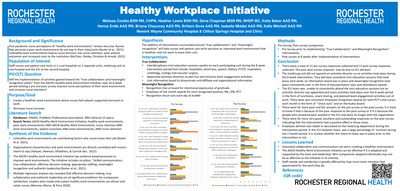
Healthy Workplace Initiative
Melissa Combs, Heather Lewis, Dena Chapman, Kelly Baker, Hanna Erdle, Briana Chauncey, Brittani Bove, Isabella Middei, and Kalie Mitchell
-
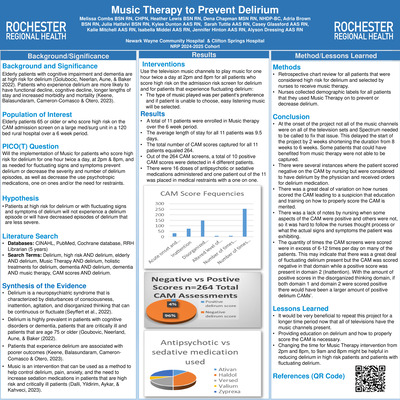
Music Therapy to Prevent Delirium
Melissa Combs, Heather Lewis, Dena Chapman, Adria Brown, Julia Hatfalvi, Kylee Dunton, Sarah Tuttle, Casey Glassford, Kalie Mitchell, Isabella Middei, Jennifer Hinton, and Allyson Dressing
-
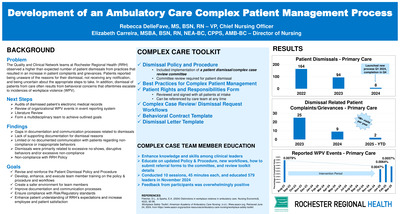
Development of an Ambulatory Care Complex Patient Management Process
Rebecca Dellafave and Elizabeth Carreira
-
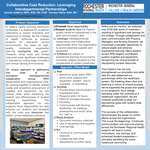
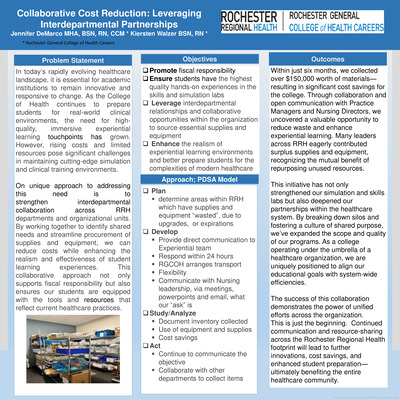
Collaborative Cost Reduction: Leveraging Interdepartmental Partnerships
Jennifer DeMarco and Kiersten Walzer
-

Elevating Nursing Practice Through High Quality Literature Reviews
Stephanie Durfee
High quality literature reviews are foundational to evidence-based nursing practice, supporting clinical-decision making, quality improvement, and scholarly dissemination. This presentation introduces nurses to a structured, practical approach for conducting rigorous literature reviews using Whittemore and Knafl's integrative review methodology. Core components include developing focused questions (PICO, PICo, PEO, SPIDER, PS), executing transparent search strategies using PRISMA, constructing evidence tables for synthesis, and critically appraising studies with JBI, CASP, and Johns Hopkins tools. Participants will learn how to evaluate and compare evidence, identify practice gaps, and translate synthesized findings into actionable recommendations for clinical care, education, and policy. This session equips nurses with the knowledge to produce systematic, transparent, and clinically meaningful reviews that elevate nursing scholarship and practice.
-
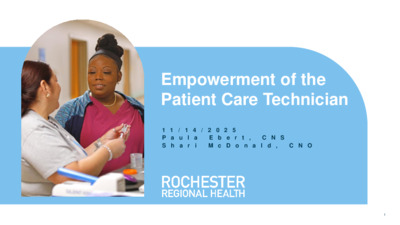
Empowerment of the Patient Care Technician
Paula Ebert and Shari McDonald
CareFront is an initiative born through the marriage of the Institute of Health Improvement (IHI) and Ralph C. Wilson foundation. The IHI uses improvement science to advance and sustain better outcomes in health & healthcare worldwide. The Ralph C. Wilson provides resources to help organizations improve outcomes, teamwork, & innovation. The CareFront initiative brings improvement science to the forefront of healthcare by supporting and empowering all care team members. Rochester Regional Health (RRH) began the journey with CareFront in January 2024. The heart of the RRH focus is the elevation and empowerment of the Patient Care Technicians (PCTs). As RRH looked into the problem; burnout, turnover, and low engagement among PCTs were major themes identified. RRH recognized the urgency of reversing these trends to enhance the quality of patient care. The IHI brings awareness of safety and quality through a systematic approach. These systematic approaches include the Lean Six Sigma process of eliminating waste to add value from the patient’s perspective and the IHI’s “Joy in Work” framework. The Surgical Stepdown Unit (SSDU) was the pilot unit selected to lead this change. The SSDU identified teamwork as an area to focus initiatives towards. Quarterly PCT engagement meetings became the engine of innovation. Through this process, staff shared experiences, voiced needs, and collaborated with leadership to design and test new ideas. RRH created real momentum through shared leadership, barrier removal, and a culture of listening. Given the successful outcome of team engagement paired with improved patient outcomes of increased mobility, the work is now expanding to several units and some hospital initiatives. Through this method, we learned that change is only possible with support at every level.
-
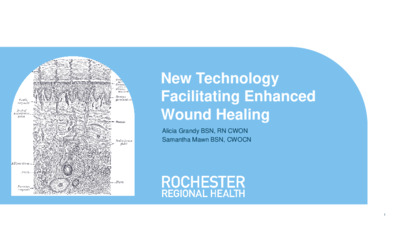
New Technology Facilitating Enhanced Wound Healing
Alicia M. Grandy and Samantha Mawn
Background: Patients who live with chronic wounds undergo both physical and financial disruptions to their life. Aspects of chronic wounds in a patient’s life may consist of pain, infection, malodor, decreased mobility, and depression.
Purpose: Is there a way to facilitate wound healing while increasing quality of life and decreasing financial burden to both the patient and health systems.
Research Question: In adults with chronic wounds how does the utilization of a polyacrylate dressing impregnated with a silver matrix compared to not utilizing a polyacrylate dressing impregnated with a silver matrix effect wound healing and cost of treatment?
Methods: A total of nine articles were reviewed on the utilization of a polyacrylate dressing containing a silver matrix. A cost analysis was conducted between the utilization of a polyacrylate dressing impregnated with a silver matrix in comparison to an enzymatic wound debridement product in both the acute setting and post discharge. Observational data from multiple acute care patients of Rochester Regional Health were compiled.
Results: The case studies and clinical trials reviewed showed a reduction in slough, wound size and increased wound healing within a 4–6-week period. It is important to note that most of the studies were funded by Urgo Medical, the manufacturer of the polyacrylate dressing that is impregnated with a silver matrix. Cost analysis shows substantial savings when utilizing a polyacrylate dressing with a silver matrix.
Conclusion: The utilization of a polyacrylate wound dressing with a silver matrix can facilitate wound healing and decrease financial burden.
-
Integrating Social Determinants of Health Screening in Elective Surgical patients
Jennifer James
Research has shown that social determinants of health (SDOH) have a negative impact on health outcomes, including surgical complications. Identifying SDOH as a risk factor for surgical complications and addressing potential needs is imperative to ensuring equitable and quality healthcare for all patients. Methods: A quantitative, pre- and post-intervention quality improvement design was implemented in the pre-admission testing department (PAT). Education was provided to nursing on SDOH and the importance in preventing surgical complications. A SDOH screening tool was then implemented in PAT to patients who would be receiving inpatient surgery. A Likert scale style survey regarding perception and impact of SDOH on patient outcomes was given to the nursing team pre-implementation and three months postintervention. Findings: There was a 73% compliance in use of the SDOH screening tool, with 1,011 people screened out of 1,383 eligible patients. Nurses (N=7) showed a significant increase in the nursing familiarity with the concept of SDOH (p=0.038) and a significant decrease in the nursing perception of the impact of SDOH on the development of surgical site infections (p=0.034). Conclusion: This project increased nurses’ awareness of SDOH for the surgical population. The implementation of the screening tool allowed for more effective identification of risk factors related to SDOH therefore providing patients with resources. Future research should focus on evaluating the effect SDOH screening and use of resources has on the development of surgical complications.
-
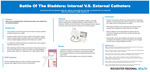
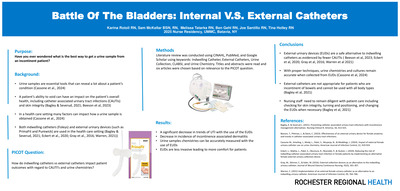
Battle of the Bladders: Internal vs External Catheters
Karina Rotoli, Sam McKellar, Melissa Tatarka, Ben Gehl, Joe Santillo, and Tina Holley
-
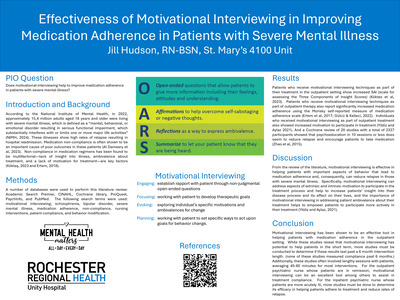
Breaking Barriers: Stroke Recognition and Prevention in the Deaf Community
Angelina Wronski
Stroke remains a leading cause of death and long-term disability in the United States. Yet among Deaf and hard-of-hearing individuals, awareness and education about stroke symptoms and emergency response remain critically low. Rochester, NY has the highest per capita population of Deaf or Hard of Hearing adults (< 65 years of age) in nation. According to the American Community Survey, approximately 40,000 people in Rochester—about 3.5% of the population—identify as Deaf or hard of hearing. A 2020 study published in the Journal of the American Heart Association revealed that more than 60% of surveyed Deaf patients could not name a single stroke symptom, and only 61% reported they would call 911 during a heart attack or stroke.